
Desde 1974, un fabricante líder de instrumentos de temperatura y una de las 10 principales marcas de cables y alambres en China.

Un manómetro, comúnmente conocido como manómetro de tubo de resorte o manómetro analógico, consta de un sistema de medición compuesto por una conexión, un tubo de resorte y un mecanismo de transmisión. Cuando la presión medida cambia, el extremo libre del tubo de resorte se mueve y el valor de presión correspondiente se indica en la esfera. La aguja muestra la lectura de presión apuntando a la escala correspondiente. Los manómetros se utilizan normalmente para medir la presión de trabajo de líquidos, vapor, gas u otros fluidos en sistemas cerrados.
Al seleccionar un manómetro, es importante tener en cuenta varios factores. factores tales como el entorno de aplicación, la legibilidad, las características del medio y el método de instalación.
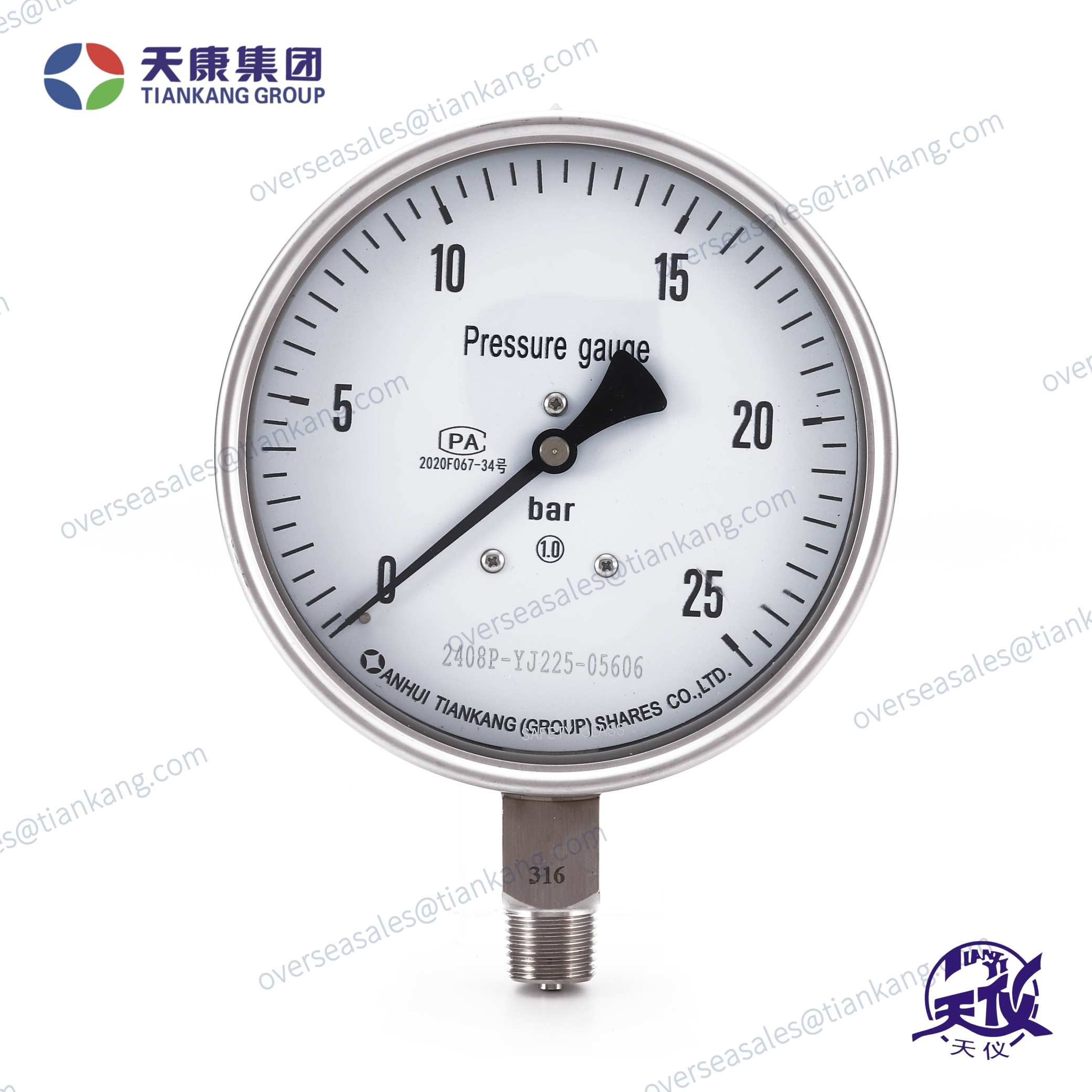 | 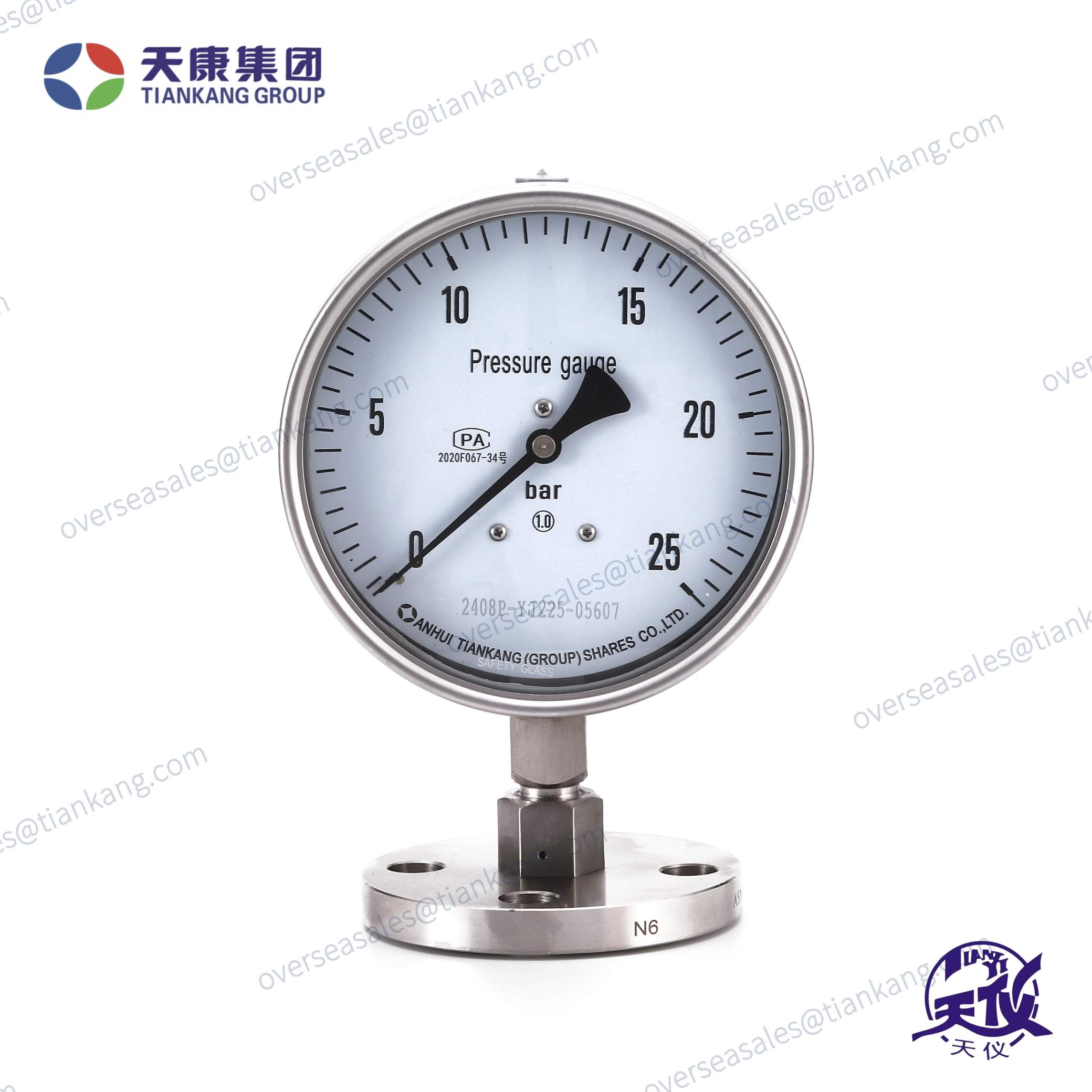 |
A continuación se detallan los parámetros clave a tener en cuenta:
1. Medio de medición – Nombre, temperatura de funcionamiento y características
Identifique claramente el medio que se va a medir, junto con su temperatura y cualquier propiedad especial (por ejemplo, corrosividad, viscosidad o presencia de partículas).
2. Diámetro de la esfera
La elección del tamaño de la esfera depende no solo de la legibilidad a distancia y la facilidad de observación, sino también de si el lugar de instalación puede albergar el tamaño seleccionado.
3. Rango de presión
El rango debe seleccionarse en función de la presión de trabajo real y los requisitos de seguridad. Por lo general, el rango de escala completa debe ser de 1,5 a 2 veces la presión de trabajo normal.
4. Selección de materiales para la carrocería
Seleccione el material de medición adecuado según las propiedades del medio que se va a medir y las condiciones del entorno de instalación.
5. Tipo de instalación y dimensiones
Considere el método de montaje y las dimensiones de conexión para garantizar una instalación adecuada, por ejemplo: Manómetro de presión del diafragma.
6. Orientación de marcación y conexión
Seleccione una de las siguientes configuraciones según las necesidades de la aplicación: Radial, radial con brida, axial sin brida o axial con brida.
7. Requisitos funcionales
Determinar si se necesitan funciones adicionales, como capacidades de control, transmisión remota, resistencia a las vibraciones, etc.
Al evaluar cuidadosamente estos parámetros, podrá seleccionar un manómetro que garantice una medición precisa, seguridad operativa y fiabilidad a largo plazo en su aplicación específica.
Continúe leyendo, manténgase informado, suscríbase y le invitamos a decirnos lo que piensa.


Derechos de autor
@ 2026 ANHUI TIANKANG (GRUPO) ACCIONES CO.,LTD. Reservados todos los derechos
. RED SOPORTADA
XML
política de privacidad
Mapa del sitio
RED SOPORTADA
XML
política de privacidad
Mapa del sitio
Correo electrónico : overseasales@tiankang.com
DIRECCIÓN : No.20 South Renhe Road,Tianchang,Anhui,P.R.C
Derechos de autor
@ 2026 ANHUI TIANKANG (GRUPO) ACCIONES CO.,LTD. Reservados todos los derechos
.RED SOPORTADA
Dejar un mensaje

 Español
  English
 Français
 Русский
 عربي
عربي